
Important Visit: Japan’s Vending Machines Now Offer More Than Just Drinks
Important Visit – During an important visit to Tokyo, it became evident that Japan’s vending machines are undergoing a remarkable transformation. These once-basic automated devices, traditionally used for selling beverages and snacks, are now introducing innovative features that cater to diverse consumer needs. From selling engagement rings to printing personalized stories, the evolution of vending technology reflects a deeper shift in how people interact with everyday conveniences. This trend has sparked both curiosity and conversation, highlighting Japan’s reputation for embracing cutting-edge solutions in the most unexpected ways.
Engagement Ring Machines: A Modern Twist on Tradition
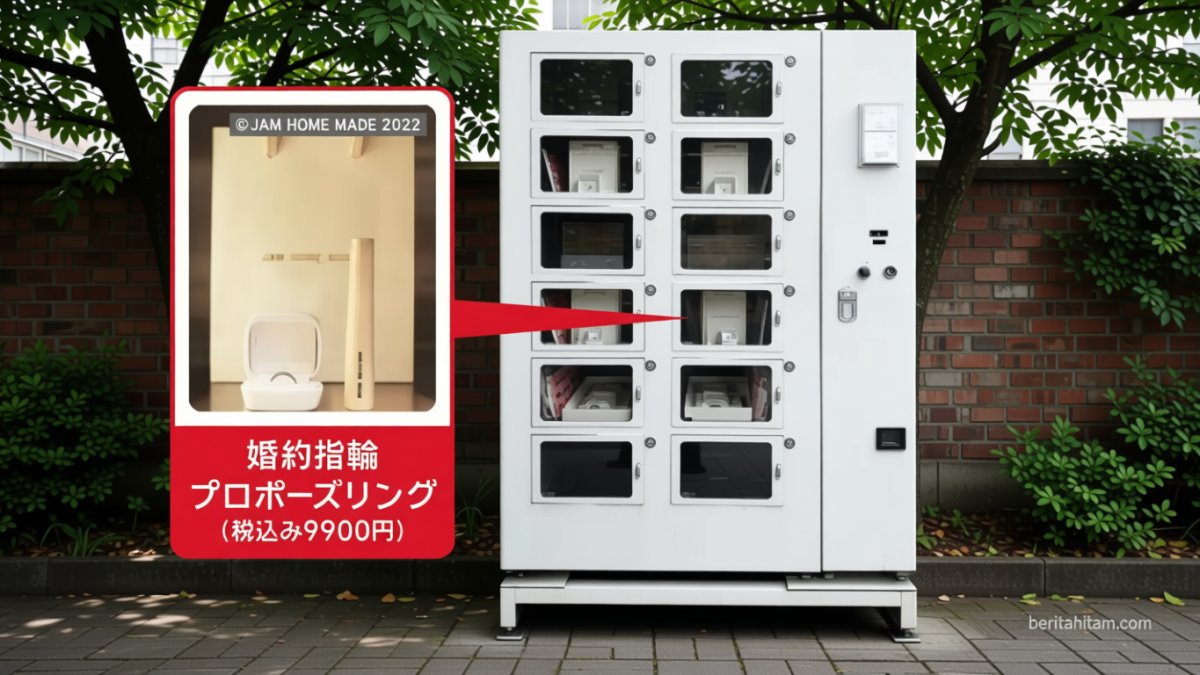
One of the most intriguing developments during this important visit is the emergence of vending machines dedicated to selling engagement rings. Located in a jewelry store in Sendagaya, Shibuya, this machine functions like a locker, allowing customers to select and purchase rings for proposal ceremonies. The rings, crafted from brass and featuring synthetic diamonds, are priced at 9,900 yen each. This unique offering has become a symbol of Japan’s blend of tradition and innovation, where even the most mundane machines can play a role in significant life events.
“This machine exemplifies how vending technology is evolving to meet modern demands,” remarked Ishida Kenzaburo, a vending machine specialist. “It’s not just about convenience anymore—it’s about creating memorable experiences.”
While the engagement ring vending machine has gained attention, other automated services are also gaining traction. For instance, Japan now boasts vending machines that print short stories on paper, often in receipt format. These machines are commonly found in schools and event venues, enabling users to generate texts ranging from 500 to 2,500 characters. Such features demonstrate the country’s ability to leverage technology for both practical and creative purposes, further enhancing the appeal of vending machines beyond their traditional functions.
Rise of Tech-Driven Vending Innovations
The integration of technology into vending machines is not limited to the examples mentioned. During the important visit, experts noted that advancements in automation and AI have enabled machines to perform tasks like dispensing health products, charging smartphones, and even offering language translation services. These innovations are driven by a desire to simplify daily tasks and reduce the need for human intervention in routine operations.
Such developments are particularly relevant in a country where efficiency and convenience are highly valued. By incorporating these features, vending machines are becoming more than just retail tools—they are evolving into multifunctional hubs that support a wide range of activities. This shift underscores Japan’s commitment to staying at the forefront of technological progress, even in the smallest details of everyday life.
Furthermore, the important visit highlighted how vending machines are being used to promote sustainability. Some newer models are designed to minimize waste by offering eco-friendly packaging or recycling programs. This aligns with Japan’s broader environmental goals, showing that even automated systems can contribute to a greener future. As consumers increasingly prioritize environmentally conscious choices, these adaptations are likely to gain more traction.
“The future of vending machines lies in their ability to adapt to societal changes,” said Ishida. “Whether it’s selling rings or supporting sustainability, the goal is to make life easier and more engaging.”
Decline of Drink Vending Machines: A Growing Trend
Despite these exciting advancements, the decline of traditional drink vending machines remains a pressing issue. Records indicate that their numbers peaked in 2014 at around 2.47 million units, but by 2025, they had dropped to approximately 1.95 million. This reduction is attributed to rising costs of raw materials, logistics, and electricity, as well as challenges in finding workers to restock or collect cash.
Additionally, the trend of people bringing their own water bottles has contributed to the decline in demand for automated drink sales. As a result, many vending machine operators are shifting their focus to more profitable or innovative services. This transformation is not only reshaping the vending industry but also redefining how consumers engage with automated retail in Japan.
While the decline of drink vending machines is notable, it has not diminished the overall importance of vending machines in Japanese society. Instead, it has prompted a reevaluation of their role, with many machines now serving as platforms for unexpected services. This adaptability ensures that vending machines remain relevant, even as their functions continue to expand in the important visit to the future of automated convenience.