
Key Strategy: Indonesia Launches Carbon Registry System in July 2026
Key Strategy: Indonesia is set to launch a carbon registry system by early July 2026, marking a significant step in its efforts to tap into the carbon market. The initiative, spearheaded by the Ministry of Forestry, aims to enhance transparency and accountability in the country’s environmental policies. With the introduction of the System of Carbon Units Registration (SRUK), Indonesia is positioning itself as a leader in sustainable development, leveraging its vast natural resources to drive global climate action. This move underscores the nation’s commitment to creating a robust framework for carbon trading, aligning with international standards and ensuring long-term economic and environmental benefits.
Strengthening the Forestry Sector
As part of its Key Strategy, Indonesia has taken decisive action to solidify its forestry sector’s role in the carbon market. The release of two new Ministerial Regulations (No. 6 and No. 7 of 2026) builds upon the Presidential Regulation No. 110 of 2025, providing a legal foundation for standardized carbon unit management. These regulations are designed to address historical challenges in environmental governance, such as inconsistent reporting and limited investor confidence. By establishing clear guidelines, Indonesia aims to create a transparent system that attracts both domestic and international stakeholders, ensuring the integrity of its carbon credits and fostering long-term partnerships in sustainable development.
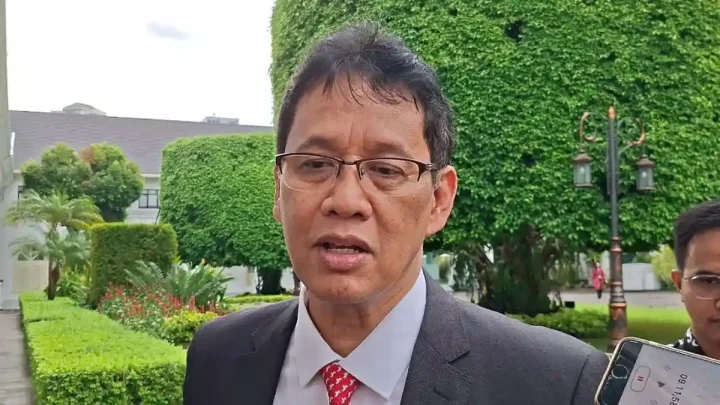
“Indonesia is no longer just formulating policies; it has progressed to practical implementation on the ground,”
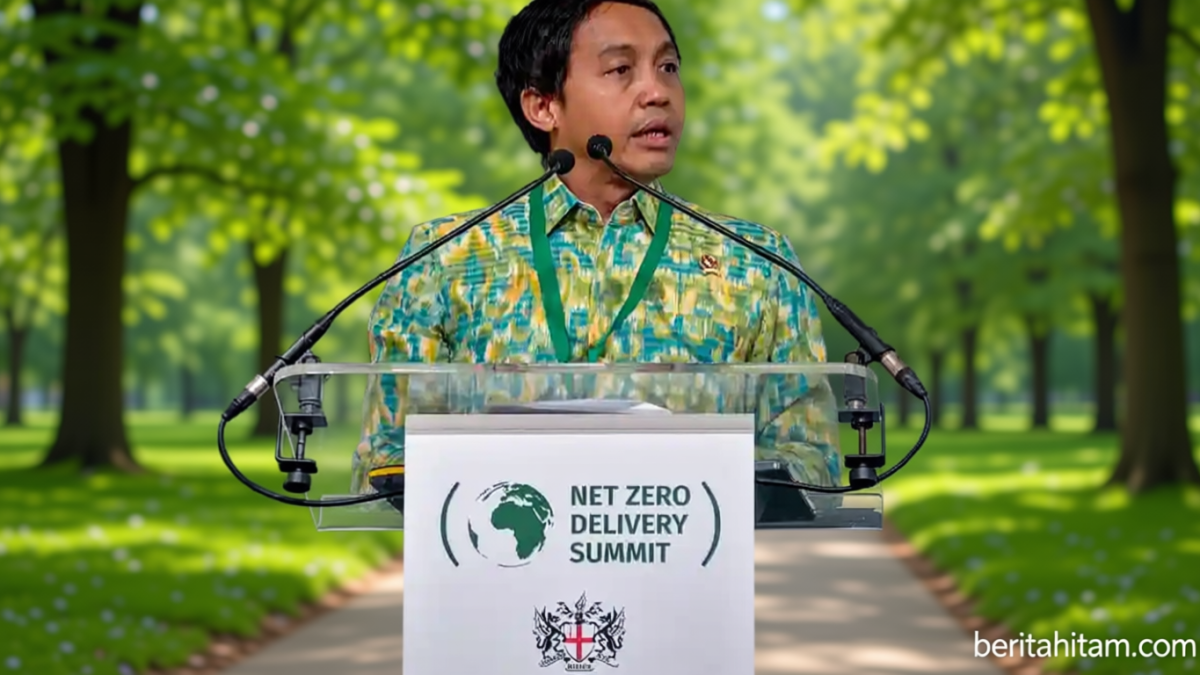
said Minister of Forestry Raja Juli Antoni at the London Climate Action Week. The SRUK, expected to be operational on July 9, 2026, will serve as a critical infrastructure for the national carbon market, offering a centralized platform for tracking and verifying carbon credits. This system is projected to streamline the process for companies and investors, reducing administrative burdens and increasing efficiency. The initial phase will see the issuance of carbon credits from the forestry sector, with a volume exceeding 30 million tons of CO2e, further solidifying Indonesia’s position in the global climate economy.
Enhancing Green Industry Competitiveness
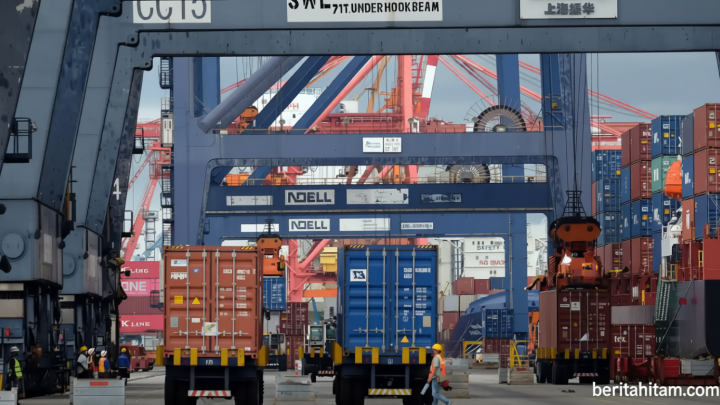
Key Strategy: The carbon registry system is a cornerstone of Indonesia’s plan to boost the competitiveness of its green industries. By integrating SRUK with international standards, the country seeks to position its carbon credits as a trusted asset in the global market. This initiative is expected to stimulate innovation in sectors such as renewable energy, sustainable agriculture, and bio-based industries, creating new opportunities for economic growth. The system will also help Indonesian businesses access green financing and international markets, supporting the transition to low-carbon economies.
Experts believe that the SRUK will play a pivotal role in attracting foreign investment to Indonesia’s environmental projects. For instance, the inclusion of mangrove and peatland restoration under the carbon registry system could open doors for partnerships with global organizations focused on biodiversity conservation. Additionally, the system will facilitate the adoption of emerging technologies like biochar and Carbon Capture, Utilization, and Storage (CCUS), ensuring that Indonesia remains at the forefront of climate innovation. This Key Strategy not only addresses environmental concerns but also aligns with the nation’s economic development goals, creating a win-win scenario for both the planet and its industries.
Global Collaboration for Climate Resilience
Indonesia’s Key Strategy extends beyond its borders, emphasizing the importance of international cooperation in combating climate change. The country has already initiated three collective actions to strengthen the global carbon market, including sending strong signals about the value of high-integrity carbon credits. These efforts aim to encourage multinational corporations and financial institutions to integrate carbon credits into their climate transition strategies. Furthermore, Indonesia is working to expand its collaboration under the Paris Agreement, leveraging its expertise in natural carbon sinks to contribute to global climate resilience.
“Through equal and respectful collaboration, Indonesia is ready to work closely with global partners to build a more inclusive and reliable global carbon market,”
added Raja Juli Antoni. This Key Strategy includes partnerships with international bodies like the United Nations and the World Bank, ensuring that Indonesia’s carbon market development is aligned with global sustainability goals. By fostering these collaborations, the nation hopes to enhance its credibility in the carbon market and attract more investment, ultimately contributing to the global fight against climate change.
Implementation Timeline and Impact
The implementation of the SRUK begins with the Ministry of Forestry hosting a ceremony on July 6, 2026, to officially release the carbon credits from the forestry sector. This event will serve as a platform to showcase Indonesia’s commitment to sustainable development and its readiness to meet international standards. Following this, the full launch of the SRUK on July 9 will mark the start of a new era in carbon trading, offering a centralized system for tracking and verifying emissions reductions. The Key Strategy involves not only the launch of this system but also ongoing efforts to ensure its sustainability and effectiveness through stakeholder engagement and continuous improvement.
Indonesia’s carbon registry system is anticipated to have a transformative impact on the nation’s economy and environment. By providing a reliable mechanism for carbon credits, it will encourage more businesses to adopt sustainable practices, leading to reduced greenhouse gas emissions. Additionally, the system will open up new revenue streams for environmental projects, creating economic incentives for conservation efforts. This Key Strategy, therefore, represents a critical step toward achieving Indonesia’s climate goals while ensuring long-term economic growth and environmental protection.
Challenges and Future Prospects
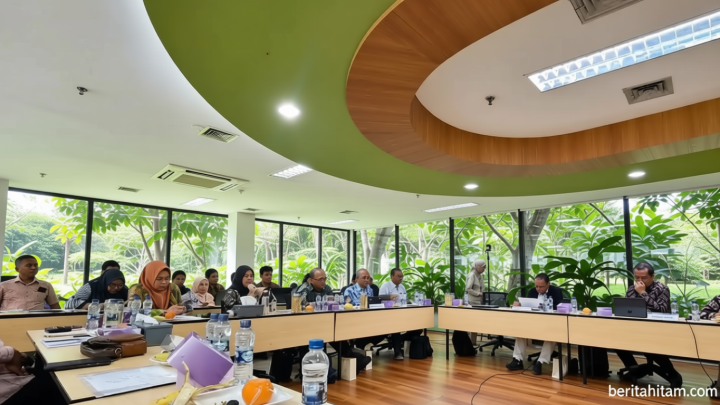
Despite its ambitious Key Strategy, Indonesia faces challenges in fully implementing the SRUK. These include ensuring accurate data collection, addressing bureaucratic delays, and building trust among market participants. To overcome these, the Ministry of Forestry is working closely with experts and international partners to develop best practices and technical guidelines. The successful rollout of the SRUK will require a coordinated effort across government agencies, private sector entities, and civil society organizations.
Looking ahead, Indonesia’s Key Strategy is expected to serve as a model for other developing nations aiming to enter the carbon market. The country’s focus on natural carbon sinks, such as forests and peatlands, highlights its unique position in the global climate economy. As the SRUK becomes operational, Indonesia will continue to refine its approach, ensuring that the system adapts to evolving market needs and technological advancements. This ongoing commitment to innovation and collaboration will be crucial in maximizing the benefits of the carbon market for both the environment and the economy.