
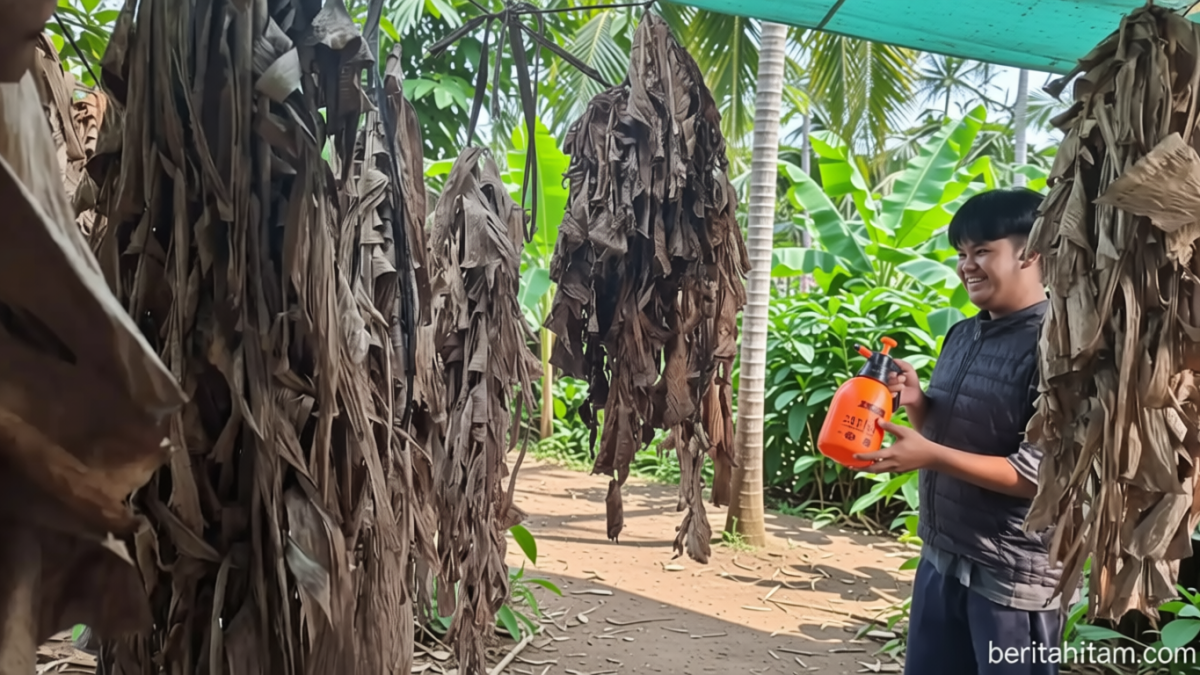
New Policy in Desa Cepogo: Transforming Waste into Income
New Policy – Desa Cepogo, Kabupaten Boyolali, has become a model for sustainable waste management through a groundbreaking new policy that turns household and agricultural waste into revenue. This initiative, spearheaded by the local BUMDes (Badan Usaha Milik Desa) Tumang, not only addresses environmental concerns but also boosts the community’s economic resilience. By adopting innovative methods such as maggot-based composting, the village is demonstrating how a well-designed policy can turn challenges into opportunities.
Addressing a Persistent Waste Crisis
For years, Desa Cepogo struggled with the accumulation of waste from farming activities and daily household use. This issue, which once threatened the cleanliness of the area and its status as a tourist destination, led to the formation of BUMDes Tumang in 2019. The new policy aimed to solve the problem by creating a system that organizes waste collection and transforms it into a valuable resource. The first step involved educating the community about the importance of proper waste disposal and the benefits of participating in this initiative.
The village, located on the slopes of Gunung Merbabu, faced a unique challenge. Waste often ended up clogging rivers and overflowing into public roads, creating an unsightly and unhealthy environment. The new policy, introduced to tackle this issue, required a shift in mindset among residents. As Felani Ade Widakdo, the director of BUMDes Tumang, explained, “The initial phase was about mapping community needs, and the most pressing was the unchecked waste accumulation.” This step laid the foundation for the policy’s implementation.
Implementation and Community Engagement
To make the new policy effective, BUMDes Tumang began offering paid waste collection services. However, convincing the community to adopt this model took time. As Indri Hapsari, the secretary of BUMDes Tumang, recalled, “It took over a year of consistent outreach to ensure residents understood the benefits.” The policy encouraged households to pool their waste, reducing individual costs and fostering collective responsibility. This approach not only streamlined the collection process but also increased participation rates.
As part of the new policy, the village introduced a system where waste is collected every two days, ensuring timely disposal. The policy’s success hinges on its ability to balance convenience with sustainability. By leveraging a small pickup truck from the local government, BUMDes Tumang began to see tangible improvements. The initial phase was marked by gradual adoption, but the results have been impressive. Cleanliness has improved, and the village now stands as a testament to the power of collaborative waste management.
One of the key components of the new policy is the use of maggot technology to process organic waste. This method, which involves raising maggots to break down compost, has proven to be both efficient and eco-friendly. The process not only reduces the volume of waste but also produces high-quality compost for local farms. This innovation has become a cornerstone of the policy, aligning with the broader goal of turning waste into wealth. The community’s involvement has been crucial to the policy’s success, with many residents now actively contributing to its objectives.
As the new policy continues to evolve, its impact on Desa Cepogo is becoming increasingly evident. The village’s transformation from a waste-prone area to a model of sustainability has set a precedent for other communities. By combining traditional practices with modern techniques, the policy has created a circular economy where waste is no longer a burden but a resource. This approach not only supports environmental conservation but also empowers the local population through sustainable income generation. The future of Desa Cepogo looks promising, with the new policy serving as a blueprint for similar initiatives nationwide.