
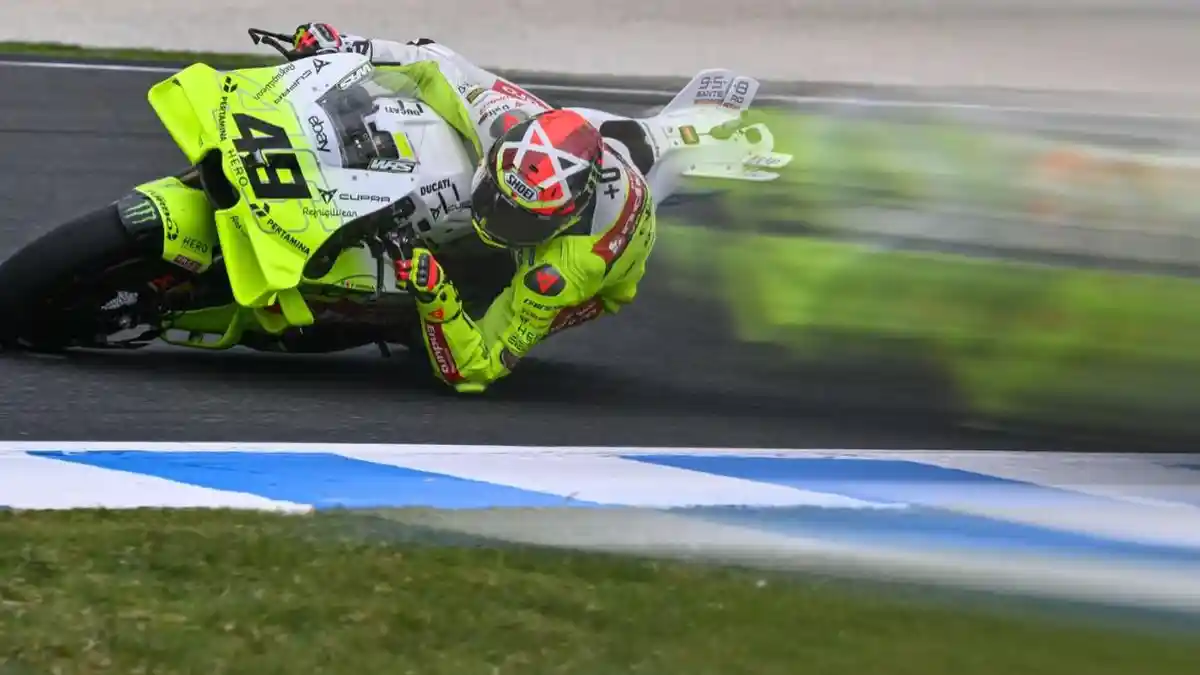
Ducati’s Problem Solving in 2026 MotoGP: Diggia Reveals Motor Still Falls Short Against Aprilia
Solving Problems – Problem solving has become a critical theme in the 2026 MotoGP season, especially as Ducati faces mounting challenges from Aprilia. Fabio Di Giannantonio (Diggia) has emerged as a key figure in the team’s efforts to adapt and improve, even as Pecco Bagnaia’s podium struggles at Le Mans cast a shadow over their ambitions. Despite Bagnaia’s failure to secure a top spot in the French race, Diggia’s consistent fourth-place finish highlights the progress Ducati has made. However, the Italian team’s ability to solve problems remains under scrutiny, particularly as they attempt to close the gap against Aprilia, a rival that has set a new standard in performance and reliability.
The Pressure of Problem Solving at Le Mans
The 2026 MotoGP season has tested Ducati’s problem-solving capabilities at every turn, with the Le Mans circuit serving as a pivotal battleground. Diggia’s podium at GP Spanyol had fueled optimism, but the disappointment of missing out on a podium in France has exposed lingering issues. Team officials and engineers are now focused on diagnosing the root causes of these setbacks, emphasizing that the challenges faced in Le Mans are not just about technical adjustments but also strategic decisions. Problem solving, in this context, extends beyond the mechanics of the bike to the mindset of the riders and the adaptability of the team in high-stakes scenarios.
Technical Challenges and the Road to Improvement
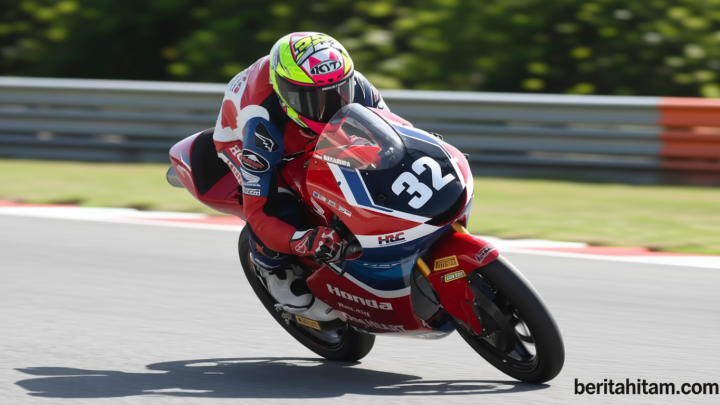
Diggia’s candid remarks during his recent interview with MotoGP underscore the need for Ducati to refine its problem-solving approach. He noted that while the Desmosedici GP26 has shown incremental progress, its performance still falls short of Aprilia’s RS-GP26, which has been a dominant force in the championship. The Italian rider highlighted specific technical weaknesses, particularly in the front-end balance of the Ducati bike, as a major hurdle. This feedback is crucial for the team’s engineers, who must address these issues to ensure that their problem-solving strategies yield tangible results. The pressure to innovate and correct flaws is evident in every race, with Ducati’s performance hinging on the effectiveness of these adjustments.
Aprilia’s Dominance and Ducati’s Struggle to Keep Up
Aprilia’s dominance in the 2026 MotoGP season has made problem solving an essential task for Ducati. The Spanish team’s RS-GP26 has consistently outperformed competitors, with Diggia acknowledging that Aprilia has raised the bar significantly. “We need to work harder to match their level,” he stated, emphasizing that the competition has evolved into a test of both technological superiority and adaptability. Ducati’s ability to solve problems has been challenged by Aprilia’s relentless pace, which has forced the Bologna-based team to rethink their strategies. The gap between the two manufacturers is now a central concern, as Ducati seeks to bridge it through continuous innovation.
Strategic Adjustments and the Future of Ducati’s Racing
Problem solving in MotoGP is not limited to technical fixes but also includes strategic planning. Ducati has been forced to reassess its approach after the Le Mans race, where even the most optimistic predictions failed to materialize. The team’s focus on balancing development between Pecco Bagnaia and Diggia has become a key area of improvement. While Bagnaia remains a strong contender, Diggia’s performance has proven that consistency can be a powerful tool. The next phase of the season will be critical in determining whether Ducati can leverage its problem-solving capabilities to regain momentum and challenge Aprilia’s supremacy.
Lessons from Le Mans and the Path Forward
The Le Mans race has served as a stark reminder of the importance of problem solving in motorsport. Diggia’s fourth-place finish, though commendable, has highlighted the need for further refinements. The Italian rider’s feedback on the front-end imbalance is a clear call to action for Ducati’s engineers, who must prioritize this issue to ensure the bike’s competitiveness. As the 2026 season progresses, the ability to solve problems will determine Ducati’s trajectory. The team’s focus on analysis, iteration, and teamwork will be vital in addressing these challenges and securing a stronger position in the championship.
Collaboration and the Role of Team Dynamics
Problem solving in Ducati’s 2026 campaign is also a team effort, requiring seamless collaboration between riders, engineers, and strategists. Diggia’s insights into the bike’s shortcomings have provided valuable direction, but the true test lies in how the team translates these findings into action. The Italian manufacturer’s ability to adapt to Aprilia’s dominance will depend on its capacity to innovate quickly and maintain a competitive edge. As the season unfolds, the emphasis on problem solving will remain a central theme, shaping Ducati’s response to the challenges it faces and its potential to reclaim its former glory in the MotoGP world.