
Announced: Imigrasi Revokes KITAS for Two Russians, Alleged Protection by Silmy Karim
Announced on June 27, 2026, the Directorate General of Immigration (Dirjen Imigrasi) has officially revoked the residence permits of two Russian nationals, Igor Maximov dan Stanislav Sadovnikov. This decision follows an investigation into allegations of misuse of limited residence permits (KITAS) by the two individuals, as reported by citizen Budiman Tiang through his legal representative, Ade Ratnasari. The revocation, based on Article 75 of Law No. 6 of 2011 on Immigration, is part of a broader effort to address irregularities in the issuance of residence permits and strengthen oversight of foreign nationals in Indonesia.
Background of the Revocation Process
The announcement came after a series of actions by the immigration authorities, including the submission of evidence to the Corruption Eradication Commission (KPK). According to Ade Ratnasari, the complaint was initially filed on March 10, 2026, but the public was only informed about the revocation in July after a public statement was made. The process reportedly involved thorough examination of the applicants’ compliance with immigration regulations, leading to the decision to revoke their permits under the supervision of Dirjen Imigrasi. This action marks a significant step in addressing perceived corruption within the immigration system.
Alleged Protection by Silmy Karim
Key to the case is the alleged involvement of Silmy Karim, the former Deputy Minister of Immigration and Citizenship. The report submitted to the KPK, numbered 2026-A-02417, suggests that Silmy Karim and other officials may have facilitated the issuance of KITAS to Igor Maximov and Stanislav Sadovnikov through collusion or misuse of authority. This includes suspicions of document falsification and potential bribery. The revocation is seen as a direct response to these accusations, aiming to expose the influence of political figures in the immigration process and restore public trust in the system.
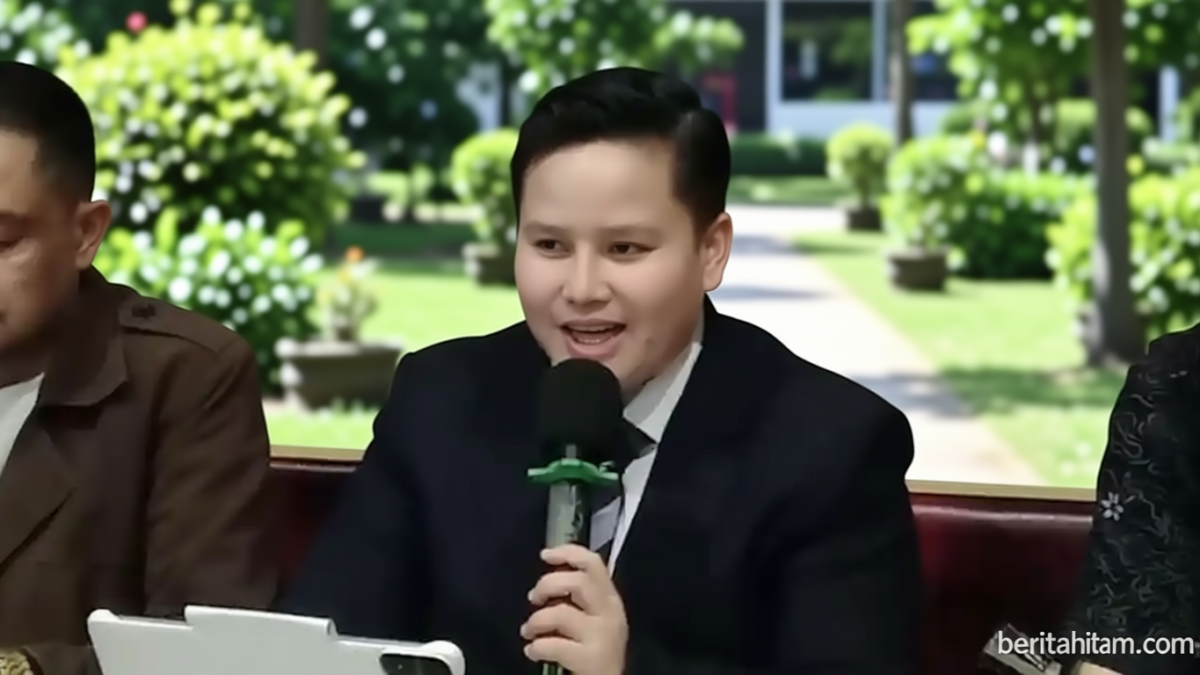
“The KITAS issued to Igor Maximov and Stanislav Sadovnikov was allegedly protected by Silmy Karim and his network, which allowed them to remain in Indonesia despite not meeting the required criteria,” said Ade Ratnasari during a press conference in Jakarta on June 27, 2026. The legal representative emphasized that the revocation process was delayed due to a lack of transparency, highlighting the need for stricter accountability in the immigration sector.
Following the revocation, the immigration authorities confirmed that the two Russians’ permits were canceled as of April 2026. However, the public only learned of this through an official announcement in July, which sparked debates about the transparency of the process. The case underscores the challenges faced by the immigration system in balancing administrative efficiency with the prevention of corruption, particularly in the context of foreign investment programs that grant limited residence permits.
Impact on Immigration Policies
The revocation of Igor Maximov and Stanislav Sadovnikov’s KITAS has raised questions about the effectiveness of current immigration regulations. Critics argue that the incident reflects a broader issue of political influence in the approval process, which may lead to the granting of permits to individuals who do not fully comply with legal standards. This has prompted calls for reform, including enhanced monitoring mechanisms and greater transparency in the issuance of KITAS. The case also highlights the importance of the KITAS program in attracting foreign investment but warns of its potential for abuse if not properly regulated.
Announced by Dirjen Imigrasi, the revocation serves as a warning to other foreign nationals and investors who may have engaged in similar practices. The authorities have emphasized that the decision was made in accordance with the legal framework, ensuring that the rights of Indonesian citizens and the integrity of the immigration system are upheld. This move is expected to reinforce the credibility of the KITAS program and set a precedent for future cases involving alleged corruption or misuse of permits.
Public Reaction and Future Steps
Announced publicly, the revocation has garnered mixed reactions from the community. While some praise the decision as a necessary step to combat corruption, others express concerns about the potential for political bias in the process. The case has also reignited discussions about the role of the KPK in investigating high-profile corruption cases within the immigration sector. As the investigation continues, further details may emerge about the extent of Silmy Karim’s involvement and the broader implications for the system. The announcement is seen as a pivotal moment in the fight against irregularities in Indonesia’s immigration policies.
In addition to revoking the KITAS, the immigration authorities have announced plans to review the entire process of issuing permits to foreign nationals, particularly those with ties to political figures. This includes an examination of past decisions and the implementation of stricter checks to prevent similar incidents in the future. The announcement of these reforms is a response to public pressure and aims to ensure that the immigration system operates with greater transparency and fairness. By addressing the root causes of the issue, the government hopes to maintain the trust of both citizens and foreign investors in its immigration policies.