
New Policy: Iran’s IRGC Tightens Control Over 26 Ships Through Strait of Hormuz in 24 Hours
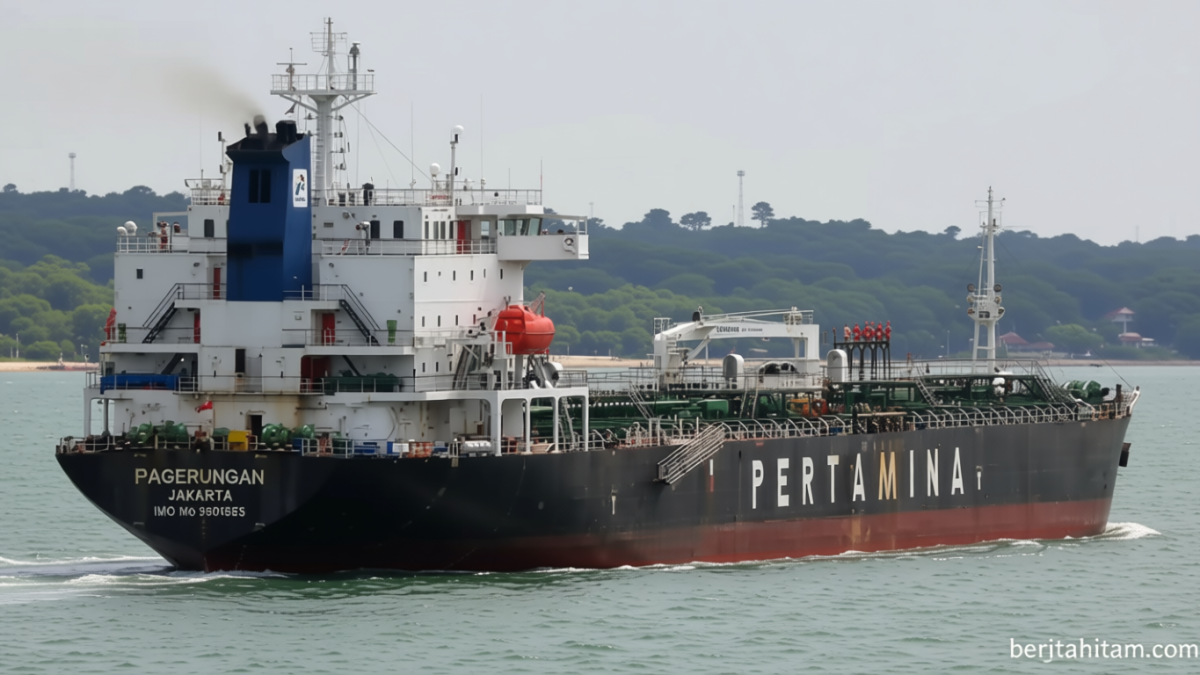
New Policy – Under the new policy, the Islamic Revolutionary Guard Corps (IRGC) of Iran has been intensifying its oversight of maritime traffic through the Strait of Hormuz, ensuring the passage of 26 vessels in a single day. This strategic move, reported by Al Jazeera, highlights the IRGC’s role in maintaining the flow of oil tankers, cargo ships, and commercial boats despite ongoing tensions with the United States. The new policy appears to be a direct response to American sanctions and naval disruptions aimed at restricting Iran’s access to global trade routes.
“The new policy ensures that maritime operations in the Strait of Hormuz are coordinated with the IRGC,” stated a press release from the Iranian News Agency (ISNA). This marks a significant shift in Iran’s approach to managing its vital waterway, which is critical for global energy supplies and international commerce. The IRGC’s rigorous enforcement of the policy underscores its commitment to safeguarding Iran’s economic interests amid heightened geopolitical risks.
The implementation of the new policy has drawn attention to the broader implications of Iran’s strategy in the region. As part of this initiative, the Iranian government has introduced a new maritime surveillance map through the Persian Gulf Strategic Area Authority (PGSA). This updated framework covers key zones, including areas from Kuh-e Mubarak to Fujairah in the UAE, and extends from the Qeshm Island to Umm al-Quwain. The policy aims to reinforce Iran’s claim of maintaining control over critical trade routes despite U.S. military pressure.
Analysts note that the new policy reflects Iran’s efforts to counteract the economic impact of the U.S. blockade. Since the imposition of sanctions by the Trump administration, approximately 20% of global energy exports have passed through the Strait of Hormuz. The IRGC’s tight control over vessel movement has become a symbol of resilience against external pressures. However, this strategy has also raised concerns about potential disruptions to international supply chains, particularly for food and energy commodities.
Global Impact of the New Policy
The new policy’s effect on global markets has been a focal point of international discussions. With the Strait of Hormuz serving as a lifeline for over 20% of the world’s oil supply, any reduction in shipping activity could lead to significant price fluctuations. Experts warn that the IRGC’s intensified monitoring may result in longer transit times and increased costs for shipping companies, further straining economies reliant on Middle Eastern oil.
Meanwhile, the Food and Agriculture Organization (FAO) has issued warnings about the potential for a global food crisis within 6 to 12 months. The FAO emphasizes that the new policy, combined with ongoing U.S.-Iran tensions, could disrupt food imports from the region. “The new policy has created a chain reaction: energy shortages, fertilizer scarcity, reduced crop yields, and rising commodity prices,” the FAO stated in a recent report. This highlights the interconnectedness of energy and food security in the context of Iran’s maritime strategy.
As the new policy takes shape, Iran’s military and economic leaders are signaling a determination to assert control over its trade routes. Deputy Foreign Minister Abbas Araghchi has reiterated the country’s readiness to escalate tensions, stating, “The new policy ensures that our naval operations will remain uncompromised, even in the face of American military threats.” This stance has prompted calls for diplomatic solutions to prevent further destabilization of the region. Despite these efforts, the policy’s long-term success will depend on its ability to balance security with the smooth flow of global trade.